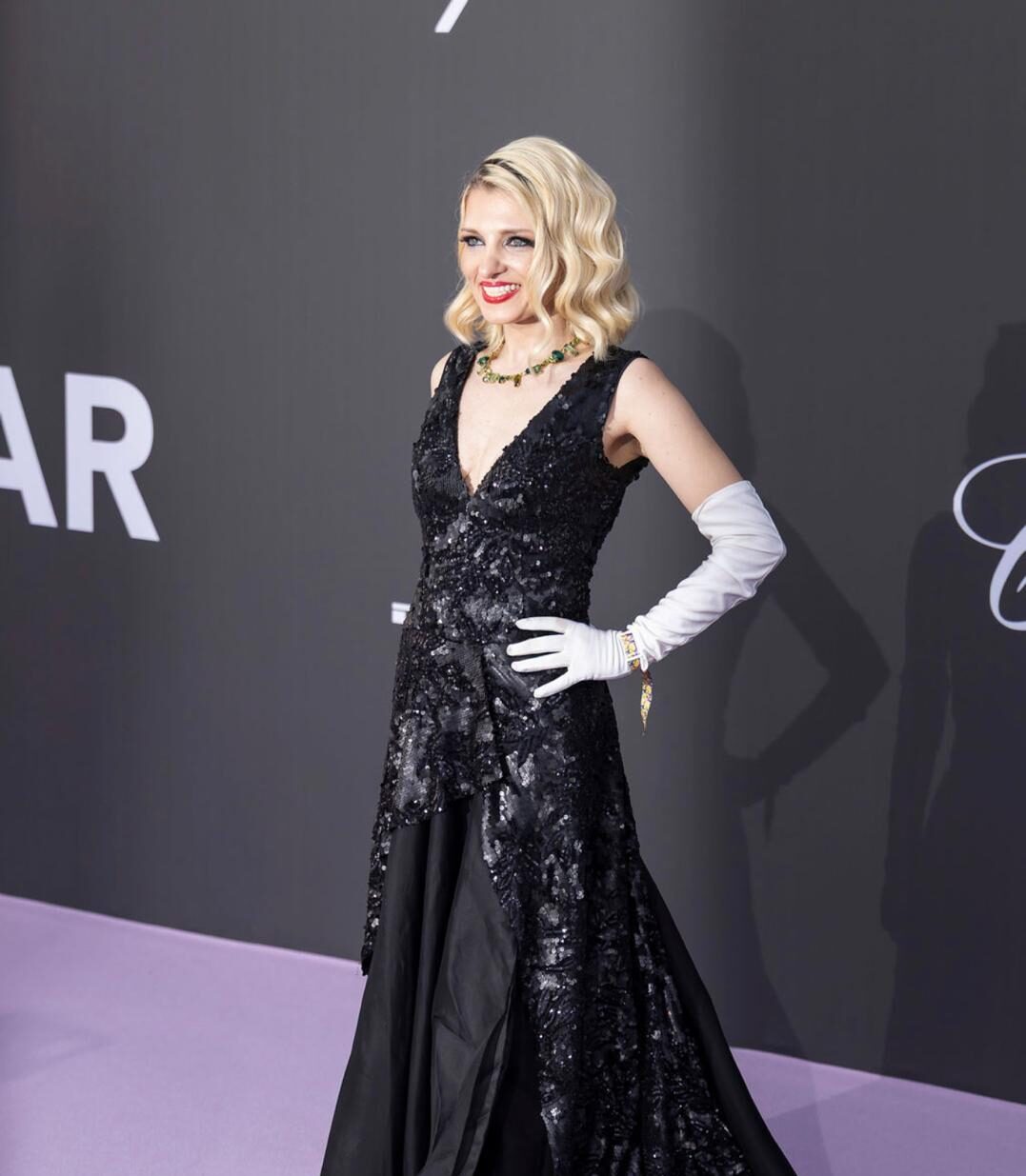

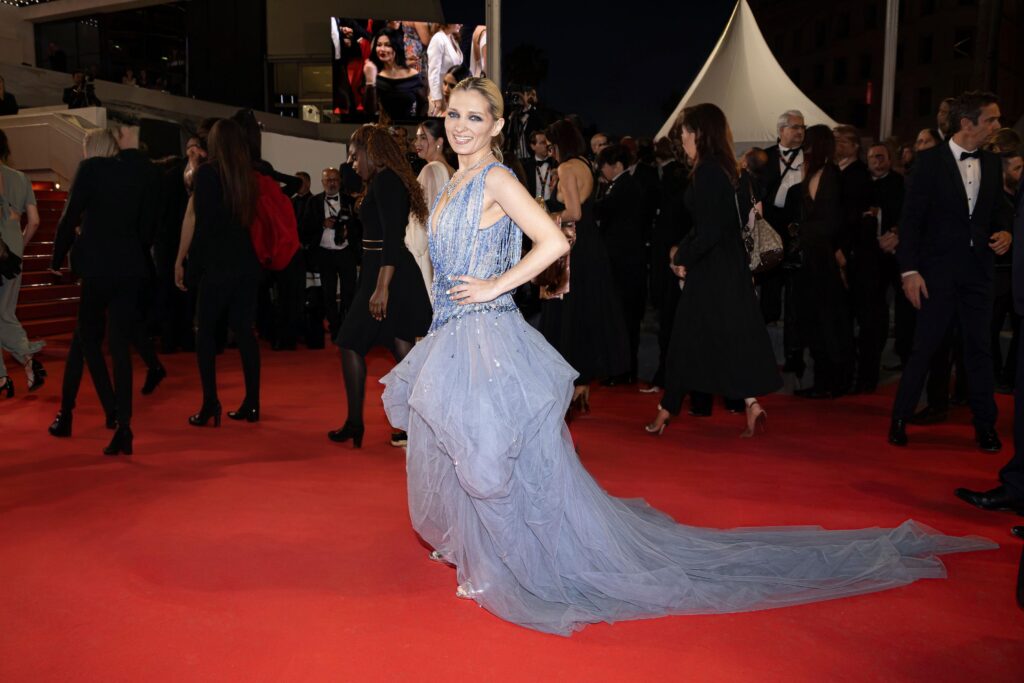
In an era when many emerging pop artists are carefully packaged before they ever release a song, Tina Win has chosen a different route. Rather than presenting a polished persona crafted for mass appeal, she has built her identity around creative ownership, emotional honesty, and a willingness to embrace imperfection. The result is an artist whose career is being defined less by conventional industry formulas than by a clear sense of authorship and purpose.
That independent mindset has already attracted significant attention. Before establishing an extensive catalog, Win found herself featured in publications including Rolling Stone UK, SPIN, The New York Times Magazine, and Allure, a level of early recognition that many artists spend years pursuing. Yet she views that attention not as validation, but as confirmation that authenticity can be more compelling than perfection.
“With only one badass single, the press chewed me up and spit me out… but in the best ways,” she says. “I always thought the industry only crowned the polished girls, the ones who play nice, behave, seem perfect. Turns out the second I showed up messy, loud, and unapologetically independent, they loved it.”
Win’s story is rooted in resilience. She often describes growing up in chaos, an experience that shaped both her worldview and her creative process. Rather than separating her personal life from her professional identity, she embraces the complexities that have defined her journey.
“I always start with the feeling,” she explains of her songwriting. “It hits in my chest before I even have words for it, that spark of anger, softness, rebellion, or that underdog ache I grew up with.” For Win, every creative decision begins with emotion rather than strategy, a philosophy that extends beyond music into the way she approaches her career as a whole.
Perhaps more than anything, Tina Win represents a new generation of artist entrepreneurs. She speaks as comfortably about creative control and ownership as she does about performance, arguing that independence is no longer an alternative path, but an essential one.
“You can own every inch of your brand, your business, your masters, your visuals… and you still can’t dictate what people see,” she says. “I keep publishing. Silence is the only thing that lets other people rewrite your story, and I’ve worked too hard to let that happen.”
That philosophy informs her broader vision for pop music. Win rejects the notion that commercial success requires artists to simplify themselves or fit neatly into a predefined image.
“The ‘rules’ I’m rewriting are the ones that keep pop polite, permission-based, and disposable,” she explains. “I’m proving you can be emotionally specific and hooky without watering it down.” She also challenges long-held assumptions about the business itself: “I’m building as an owner, not an employee. Creative control and masters matter, because leverage is the new fame.”
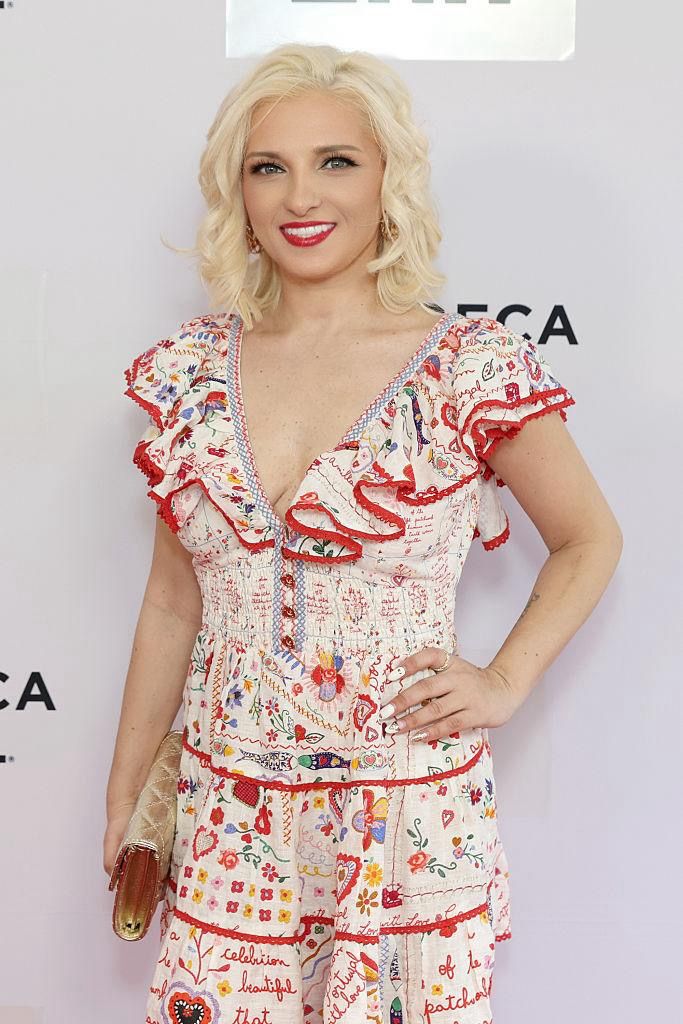
Her influences reflect an equally unconventional blend. Rather than trying to imitate artists she admires, Win sees them as milestones in her own personal evolution.
“I take the chaos of Sublime, the theatrics of Gaga, the don’t-care sparkle of Ke$ha, and run it through my own mess in my life,” she says. “The biggest inspirations were the people who raised me and the people who loved me when I didn’t even like myself, my adopted parents.” She recalls listening to Louis Armstrong during morning drives to school and watching Michael Jackson perform while her mother exercised in the living room, formative memories that broadened her musical perspective from an early age.
While many artists talk about storytelling, Win reduces her creative philosophy to three simple words.
“The Truth. Plain and simple.”
That commitment to honesty extends into her collaborations. Working alongside producer Joey Auch has reinforced her belief that instinct matters more than perfection.
Her ambitions also stretch well beyond music releases. Win envisions a multimedia creative universe that combines performance, film, and visual storytelling into one interconnected body of work.
“My collaborators taught me to lean into my emotions and add texture instead of sanding everything down. The more honest the moment, the stronger the record.”
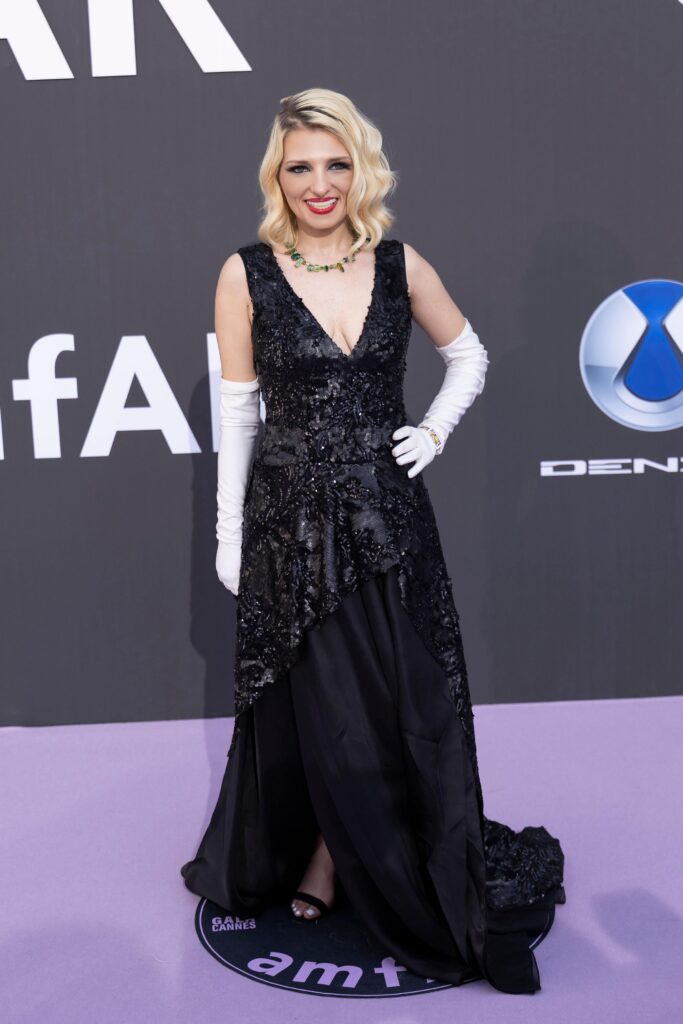
“The most ambitious visual project I want to create is a long-form, cinematic universe that lives across my music videos, my first major tour, and ultimately a narrative film,” she says. “The audience isn’t just watching songs, they’re stepping inside a timeline.”
Long term, she hopes to evolve that concept into a feature film inspired by her own biography, allowing her background in acting to merge naturally with her music. “The goal is for the visuals to deepen the emotional impact of the music and make the world feel lived-in, not just styled.”
As her profile continues to rise, Win remains focused on something larger than chart positions or industry accolades. She wants audiences to leave her performances transformed.
“I want audiences to leave feeling braver than when they walked in,” she says. “If people walk out feeling seen and more willing to take a risk in their own lives, then the music did its job.”
For Tina Win, the career she is building is not simply about becoming another successful pop artist. It is about redefining what success looks like for artists who refuse to wait for permission. As she puts it, “I don’t need a label telling me I’m worthy. I’m already telling my story, full volume.”